


Advantages of 3D laser scanning for industrial complexes
In today’s industrial landscape, where precision and productivity are decisive factors for success, implementing advanced technologies is a strategic necessity. One such technology, which is transforming the management of industrial complexes, is 3D laser scanning. The method makes it possible to produce highly precise three-dimensional models of objects and environments, which raises the efficiency of processes, the accuracy of the work and safety in production.
What is 3D laser scanning?
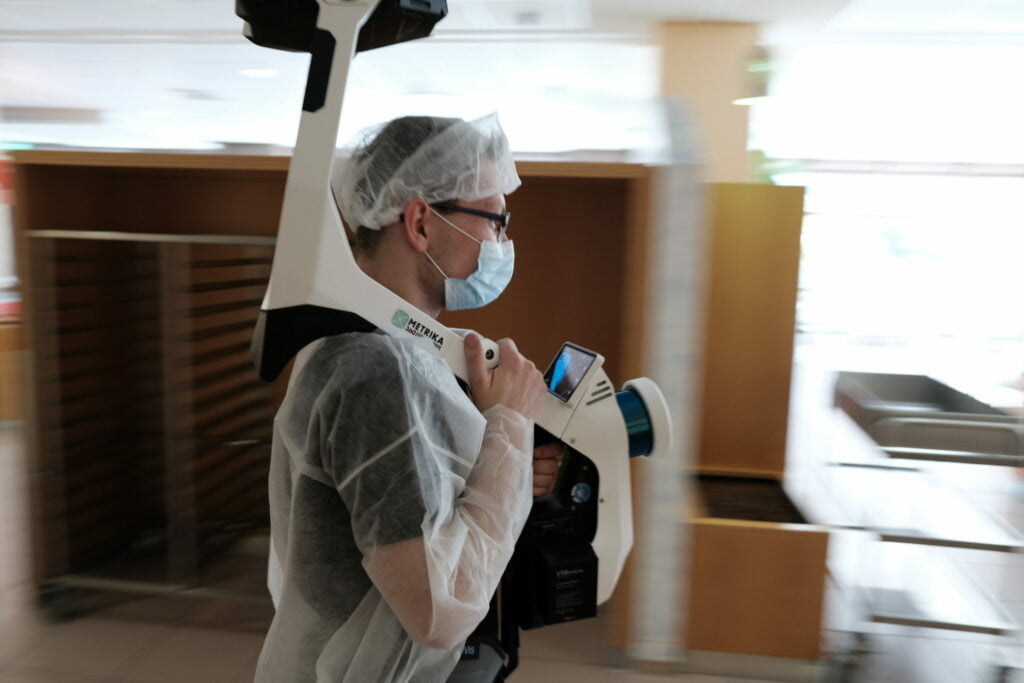
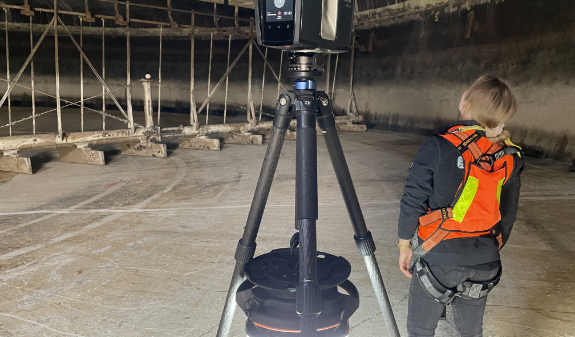
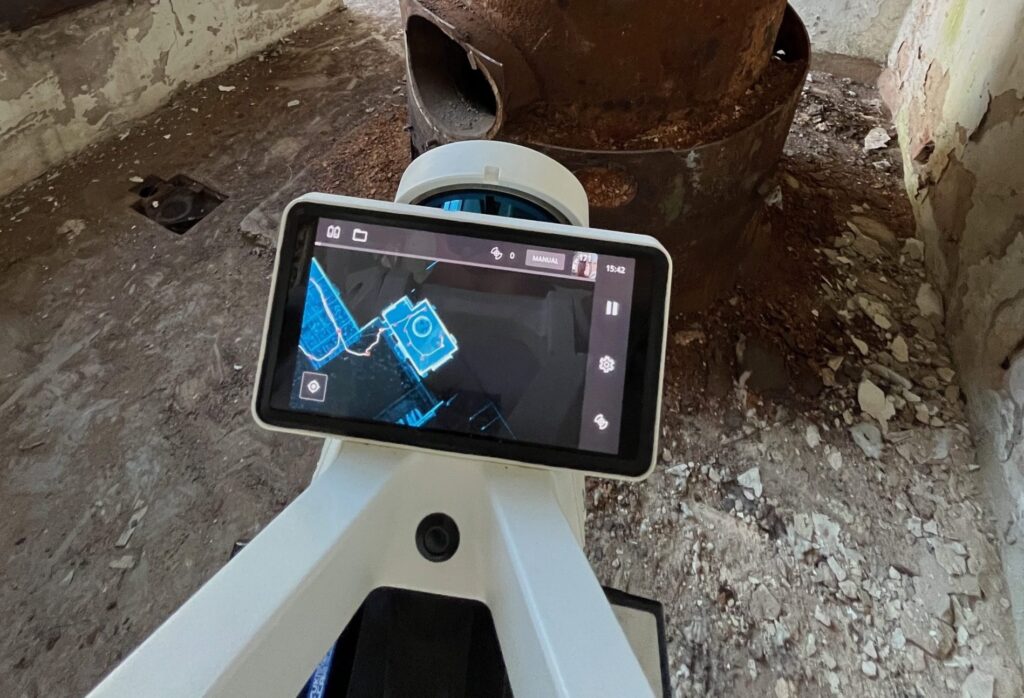
3D laser scanning is a highly precise process for capturing geometric data by means of laser pulses. The scanner measures the distance to an object by recording every point on its surface and so forming a “point cloud”. After processing, a detailed 3D model emerges from this data, accurately reflecting the shape, size and spatial position of an object’s components. This allows engineers and production specialists to analyse data in a virtual environment, minimise risks and optimise workflows.
Principal advantages of 3D laser scanning for industrial complexes
1. Highly precise measurement and documentation of existing facilities
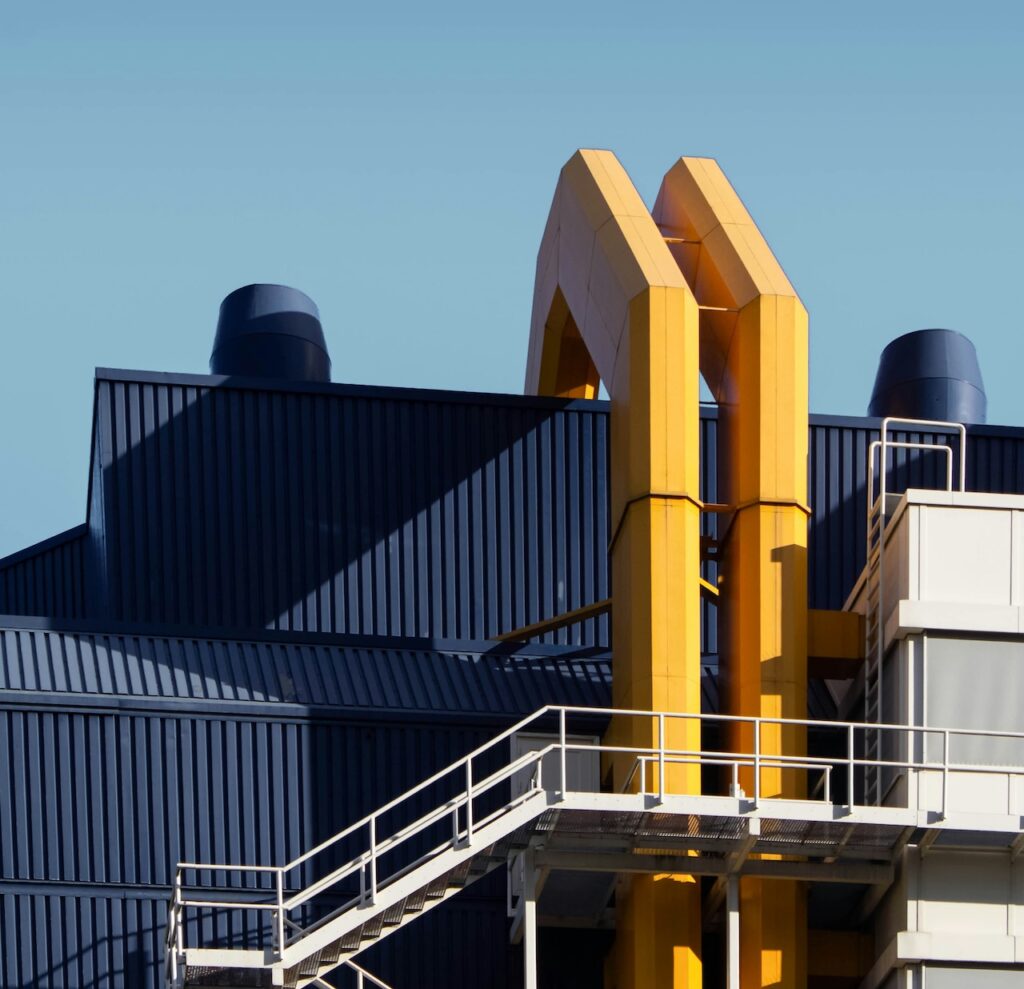
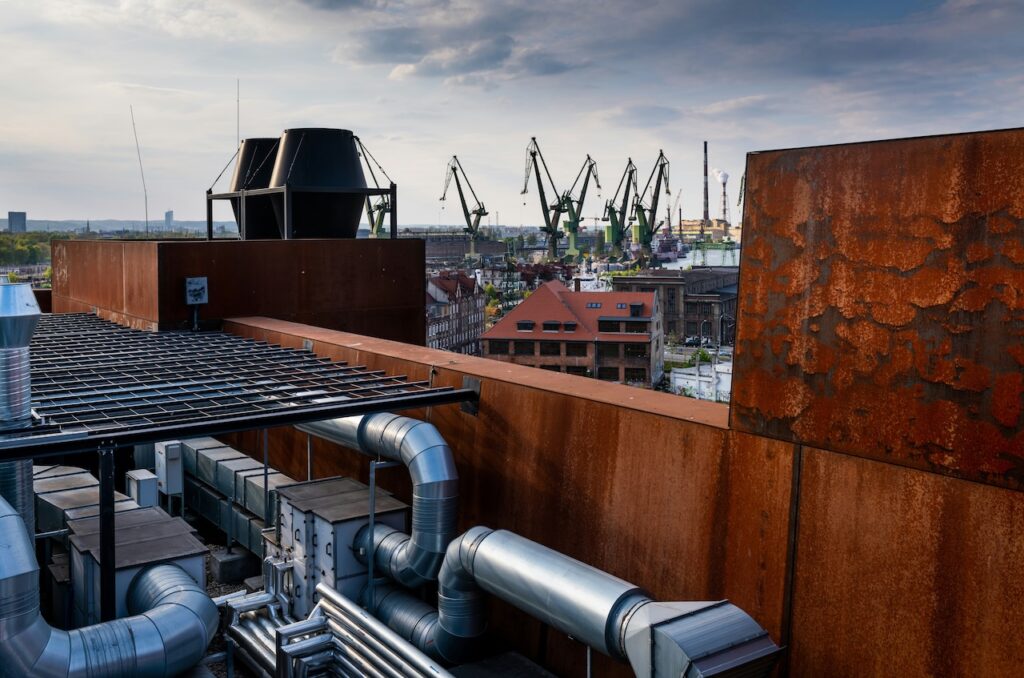
One of the main advantages of 3D laser scanning is its ability to supply highly precise, detailed data about existing infrastructure , which is of decisive importance for large-scale industrial plant in particular. 3D models allow the exact capture of dimensions and of the spatial position of equipment, pipework and other infrastructure elements, which considerably simplifies the planning and design of modifications or reconstructions.
2. Optimising and modernising production processes
Analysing existing production lines with the help of 3D models makes it possible to identify potential bottlenecks in logistics, in the arrangement of equipment or in technological processes. This allows well-founded decisions on optimising the spatial organisation and raising productivity. Such solutions enable companies to reduce modernisation costs and avoid interruptions to operations.
3. Planning reconstructions without interrupting production
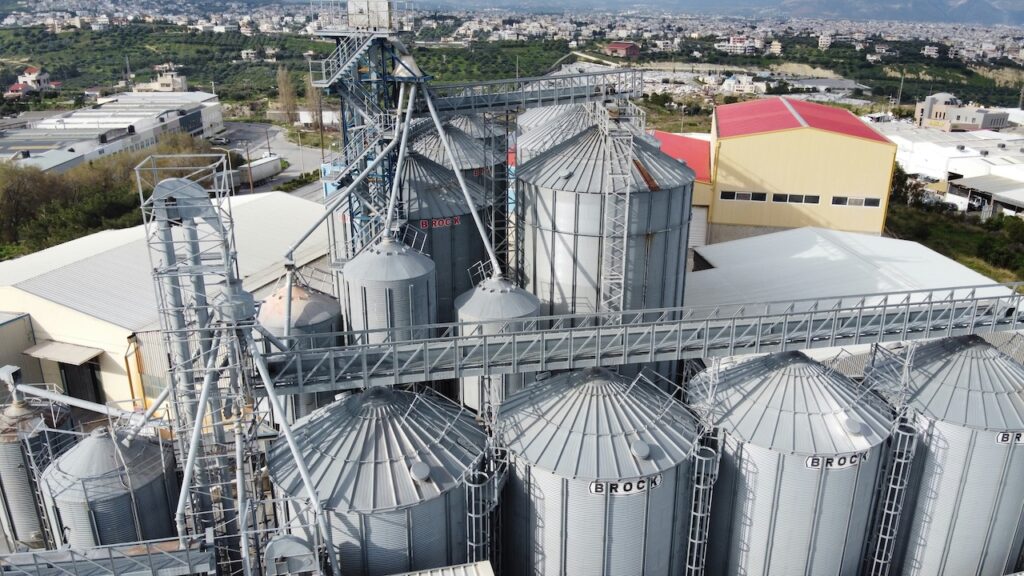
For companies that need reconstruction or modernisation, 3D laser scanning offers the possibility of creating precise digital models of existing facilities . This allows project teams to examine every aspect of the site without having to stop production. These models ensure effective planning and minimise deviations during installation and construction work.
4. Improving occupational safety
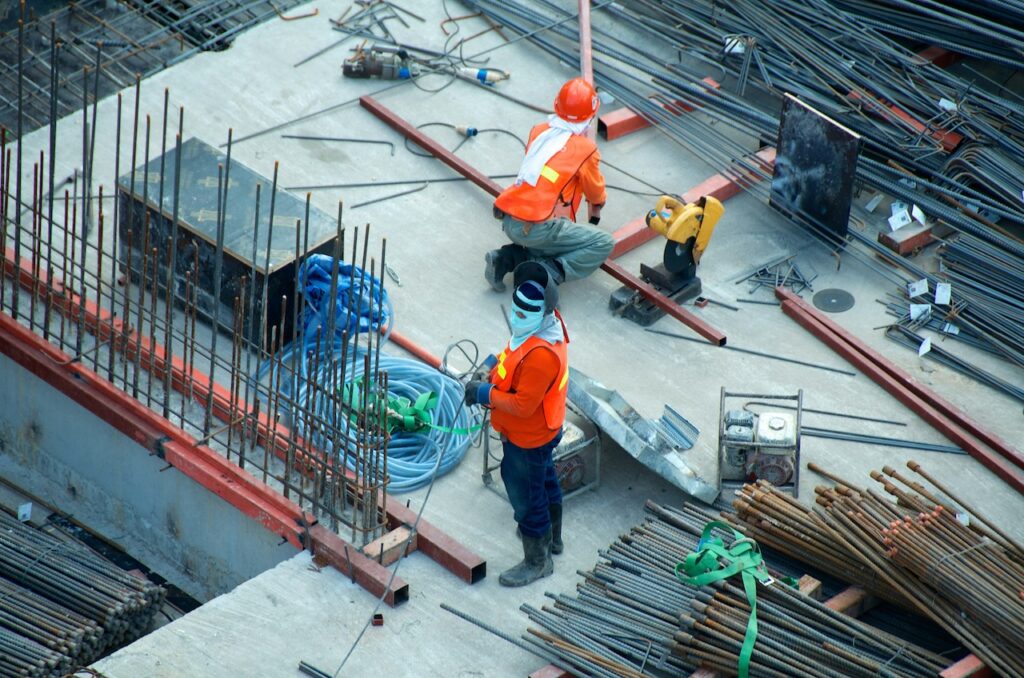
3D laser scanning makes detailed assessments of working environments possible for safety evaluation. Precise data helps to identify potential hazards and problem areas, which improves the effectiveness of safety measures and working conditions.
5. Speeding up decision-making
Access to accurate 3D models of industrial facilities allows faster decisions on modernisation, the installation of new equipment or process optimisation. The fast access to current data shortens the time needed for design and preparation, because all the necessary information is already available in digital form and can be analysed immediately.
6. Digital twins and data archiving
The data obtained from 3D laser scanning can be stored for the future, which makes it possible to create “digital twins” of industrial complexes. These virtual copies can be used for remote monitoring, analysis and the simulation of different operating scenarios. This approach makes it possible to test new solutions and to predict potential problems before they are implemented in the real environment.
Examples of use
3D laser scanning is used actively worldwide to modernise industrial facilities . In Germany, for instance, the technology was applied in the reconstruction of large industrial companies , which made precise planning possible without interrupting production . In the United States, car manufacturers use 3D scanning to check the assembly quality of vehicles, minimise rework costs and ensure high quality standards at every stage of production.

Conclusion
3D laser scanning is becoming an integral part of the management of industrial complexes and gives companies a powerful tool for raising the accuracy, efficiency and safety of production processes. By using this technology, companies can optimise the arrangement of equipment, plan reconstructions without interrupting production, and create digital twins for remote monitoring and analysis. In the long term, implementing 3D laser scanning offers a competitive advantage and encourages the innovative development of industrial companies.